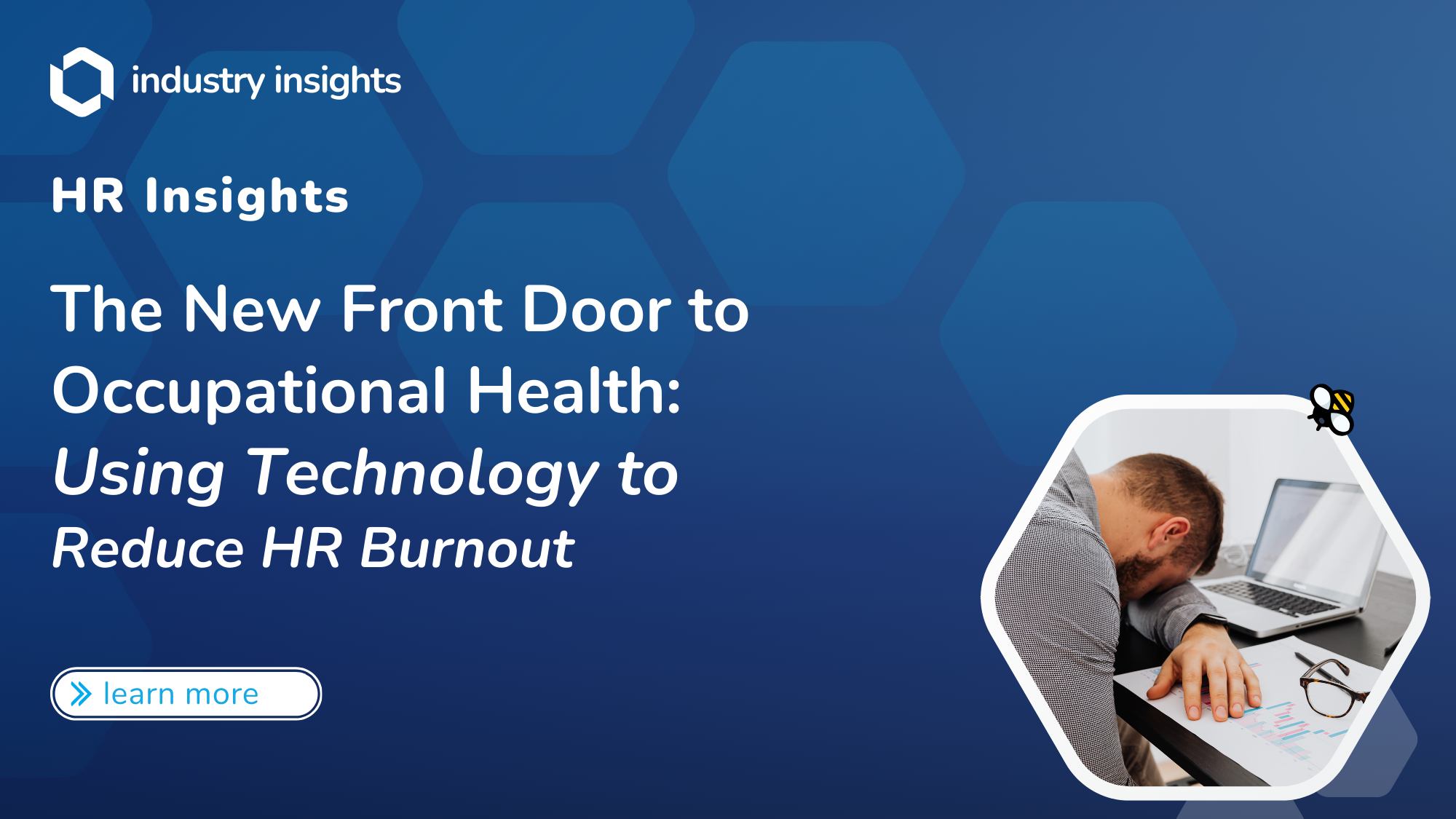

For many HR teams, the workday starts with good intentions and ends somewhere between a stack of onboarding paperwork and a dozen emails asking, “Do I need anything else for my physical?” The demands keep growing while the systems meant to help rarely speak the same language. Surveys of HR leaders describe teams that feel overworked, understaffed, and stretched thin as they try to keep up with compliance, onboarding, and employee support responsibilities (Colvin, 2025; Society for Human Resource Management, 2023).
Healthcare professionals supporting employee health report a similar strain. Burnout among physicians and other clinicians remains high, and national analyses highlight administrative overload, documentation demands, and electronic health record work as major contributors (American Medical Association, 2025a; American Medical Association, 2025b).
These dual pressures create a ripple effect across the entire employee health ecosystem. When HR is overwhelmed, employees wait longer for screenings and clearances. When providers are overloaded, documentation lags. When communication breaks down, compliance suffers. The result feels like a never-ending relay race where no one is sure who is holding the baton.
At the same time, organizations are recognizing that well-being and experience matter. Research on employee experience shows that when people feel supported, have clarity, and encounter fewer barriers, performance and engagement improve (Gallup, n.d.).
Technology has quietly become the new front door to occupational health. When used well, digital tools reduce friction, lighten administrative strain, and give HR and healthcare teams room to breathe again. This whitepaper explores how that shift is unfolding, why it matters, and how organizations can embrace technology as a supportive partner rather than another system on the to-do list.
Download the Whitepaper
The Growing Burden on HR and Healthcare Providers
The demands placed on HR professionals have expanded faster than most teams can reasonably keep up with. What used to be a straightforward set of onboarding and compliance tasks now feels more like juggling flaming bowling pins while answering emails and filling urgent vacancies. HR teams are expected to coordinate drug screenings, physical exams, immunizations, fit testing, and return-to-duty clearances, often across multiple locations and work arrangements. At the same time, they must track shifting regulations, support complex leave situations, and document every step with precision.
Recent reporting based on SHRM’s State of the Workplace data describes HR professionals as increasingly understaffed and overextended, with many feeling that the volume of work has grown faster than their resources or headcount (Colvin, 2025). Other analyses focused on HR wellbeing highlight burnout, emotional fatigue, and mental health concerns among those who spend their days helping everyone else navigate stress and change (Society for Human Resource Management, 2023).
Healthcare providers who support employee health feel a similar squeeze. Clinical teams are asked to evaluate fitness for duty, complete employer-specific forms, manage results, and communicate status updates in addition to their usual patient care responsibilities. The American Medical Association describes burnout as a widespread problem across specialties and notes that administrative burden, documentation, and electronic systems are major drivers (American Medical Association, 2025a). National burnout data reinforce that this is not a fringe issue but a persistent challenge that affects quality of care, access, and retention (American Medical Association, 2025b; National Academy of Medicine, n.d.).
When both HR and healthcare providers are stretched to their limits, the entire workforce health process slows down. Documentation lags, employee confusion increases, and small delays in screenings or clearances can snowball into larger operational problems. The stress becomes contagious, affecting not just the people doing the work but also the employees waiting on essential services. This growing burden is less about individual effort and more about systems that have not kept up with the realities of modern work.

The New Digital Front Door for Workforce Health
For many organizations, the first step in an employee’s occupational health journey no longer begins in a clinic or HR office. It begins online. Whether an employee is scheduling a drug screen, completing a pre-employment questionnaire, or checking what is required for a medical clearance, the process often starts with a digital interaction.
This digital front door is not a single website. It is the ecosystem of platforms that guide employees through exams, screenings, instructions, and documentation. When these systems are thoughtfully designed, they provide a clear, consistent path. Employees know where to go and what to bring. HR can see what has been completed without sorting through email threads. Providers receive accurate information in advance, which reduces delays and miscommunication.
The shift toward digital intake has been influenced by hybrid and remote work, distributed teams, and rising expectations for consumer-grade experiences. People are used to booking travel, banking, and even primary care appointments online. They expect the same level of clarity and convenience when dealing with a pre-employment physical or a return-to-work check. Research on employee experience suggests that when processes are easy to navigate and obstacles are removed, engagement and performance tend to improve (Gallup, n.d.).
Instead of relying on a patchwork of emails, PDFs, and spreadsheets, a digital front door creates a consistent way to manage everything that needs to happen. HR no longer has to manually distribute instructions to every individual or chase status updates across multiple systems. The work is still guided by people, but supported by tools that keep the process moving.
As more organizations adopt this approach, the digital front door is becoming less of an innovation and more of an expectation. It is the foundation for modern occupational health workflows, setting the stage for deeper efficiencies in documentation, communication, and coordination.
How Technology Directly Reduces Burnout
The promise of technology in occupational health is not about replacing people. It is about removing the repetitive, time-consuming tasks that wear them down. When HR teams and healthcare providers talk about burnout, they rarely point to the moments when they are helping someone solve a real problem. Instead, they describe data entry, duplicate forms, status chasing, system hopping, and documentation requirements that seem far removed from the core purpose of their work.
System-level analyses of burnout highlight administrative burden as a key factor. National bodies such as the National Academy of Medicine and the American Medical Association point to excessive documentation, fragmented technology, and cumbersome regulatory requirements as major contributors to clinician distress (National Academy of Medicine, n.d.; American Medical Association, 2025a). A federal strategy focused specifically on reducing administrative burden related to health IT and electronic records underscores how strongly workflow design influences workload and fatigue (U.S. Office of the National Coordinator for Health Information Technology, 2018).
When organizations adopt tools that streamline intake, scheduling, and documentation, they directly address these drivers. Automated workflows can send the right reminders at the right time, route information to the correct people, and reduce the risk of missing forms or mismatched templates. For clinicians, integrated systems that capture information once and reuse it across required forms can dramatically reduce documentation time. For HR, real-time status views reduce the need to send follow-up emails or make phone calls to confirm whether a screening is complete.
The impact is both practical and emotional. Practically, people recover hours each week that used to be swallowed by manual tasks. Emotionally, they feel less behind and more in control, with a workday rhythm that is manageable. Technology becomes the reliable coworker who remembers deadlines, keeps tasks organized, and never misfiles a document.
Real World Wins Through BlueHive
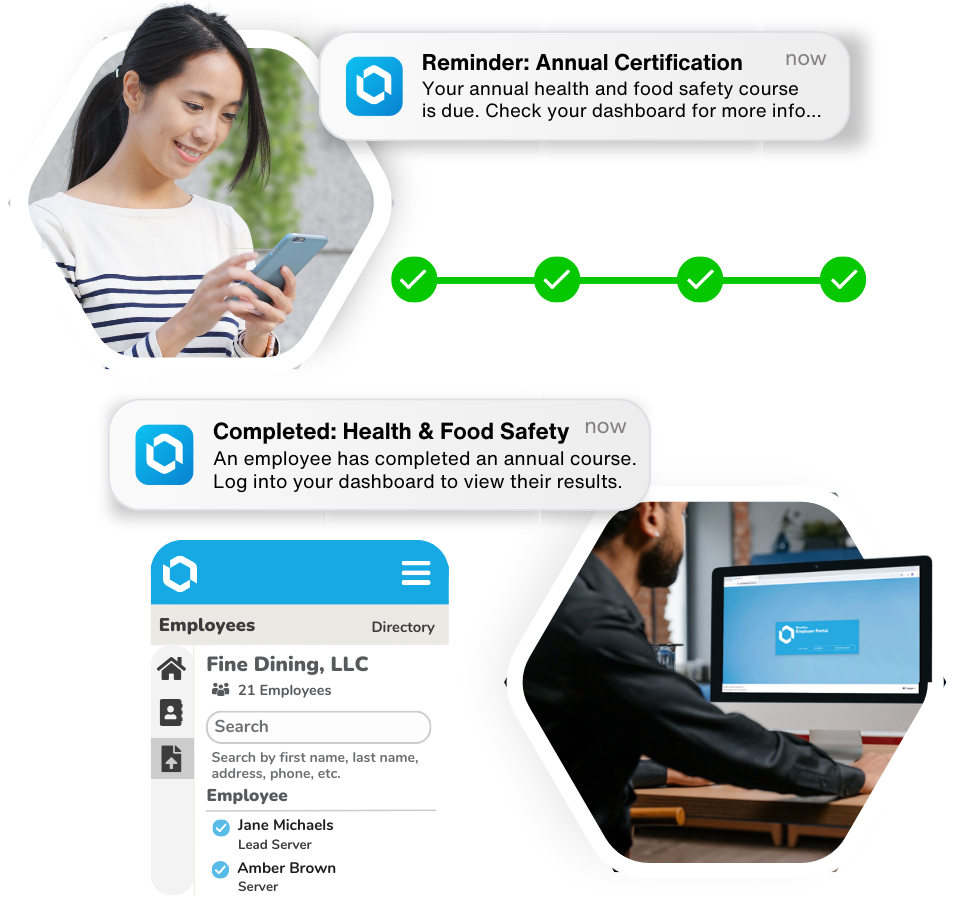
The shift toward digital tools becomes more tangible when viewed through the lens of an integrated platform. For many organizations, adopting BlueHive feels less like adding another system and more like finally getting a clear path through the administrative maze of workforce health. The platform brings together tasks that were once scattered across emails, spreadsheets, PDF forms, and separate provider portals, giving HR teams and clinicians a single place to manage the entire process.
For HR teams, unified visibility is a major gain. Instead of checking multiple systems or waiting for scattered updates, they can see employee progress in real time. If someone completes a drug screen, wraps up a physical, or submits required documents, HR has immediate insight. This clarity reduces the constant follow-up cycle and helps prevent surprises that delay onboarding or return-to-work dates. It also supports HR’s own well-being, since organizations that proactively manage workload and burnout tend to see better outcomes for their HR teams (Colvin, 2025; Society for Human Resource Management, n.d.).
Employees benefit as well. Clear instructions, centralized scheduling, and easy to follow digital steps mean fewer last minute questions and much less confusion about what is required. When employees encounter a predictable, well marked path, their experience improves, reinforcing broader findings that streamlined processes and strong communication are central to positive employee experience (Gallup, n.d.).
In a field where even small delays can affect hiring, staffing, or productivity, these improvements matter. BlueHive gives teams the structure they need to work calmly and confidently, even when they support large or complex workforces.
The Human Impact
When technology takes on the administrative weight of occupational health, the most important changes appear in the day-to-day lives of the people doing the work. HR professionals often describe a sense of relief when they finally have a system that keeps them ahead of deadlines instead of constantly reacting to them. With fewer hours lost to manual tracking and status checking, they can spend more time supporting employees and collaborating with leaders on strategy. That shift is especially significant given growing concern about HR burnout and the mental health of HR professionals (Society for Human Resource Management, n.d.).
Healthcare providers experience similar benefits. When documentation is streamlined and communication is clear, the workday becomes more predictable and less chaotic. The National Academy of Medicine emphasizes that reducing administrative burden and improving system design are core components of any serious approach to clinician wellbeing (National Academy of Medicine, n.d.). Aligning clinical workflows with these recommendations through supportive technology can restore time for meaningful patient interaction and reinforce a sense of professional purpose.
Employees notice the difference, too. When instructions are clear, requirements are easy to follow, and results are communicated promptly, they are far less likely to become anxious or confused about screenings and clearances. Research on employee experience highlights that clarity, fairness, and efficiency are key ingredients in building trust and engagement (Gallup, n.d.). A smoother interaction with occupational health strengthens the sense that their employer is organized, supportive, and committed to their well-being.
Even leadership teams benefit indirectly. With fewer delays in screenings or clearances, staffing is more predictable and operational disruptions are easier to manage. When the people responsible for health and compliance feel supported instead of stretched thin, it influences the tone and resilience of the entire organization.
Conclusion
Occupational health has always been essential to keeping workplaces safe, compliant, and productive, but the way teams manage those responsibilities is changing. HR professionals and healthcare providers are being asked to do more, often with limited resources and growing administrative pressure. The resulting burnout is not a sign that they are failing. It is a signal that the system around them needs to evolve.
Evidence from national organizations and professional associations points in the same direction. Administrative overload, fragmented technology, and poorly designed processes are major drivers of burnout among both clinicians and HR professionals (American Medical Association, 2025a; National Academy of Medicine, n.d.; Colvin, 2025). At the same time, research on employee experience shows that when organizations remove friction and provide clear, supportive pathways, people are more engaged and more effective (Gallup, n.d.).
Technology offers a practical path forward. By creating a clear digital entry point for exams, screenings, and communication, organizations can relieve administrative weight that has been growing for years. The result is a workflow that feels predictable, organized, and genuinely supportive of the people who keep it running.
BlueHive fits naturally into this landscape by giving employers, providers, and employees a shared place to manage requirements without the usual friction. It does not replace the human touch. It gives teams the breathing room they need to focus on the work that matters most. When the administrative hurdles shrink, the entire ecosystem of employee health becomes smoother and more resilient.
The future of occupational health starts with small, meaningful changes that free people from busywork and bring clarity to complex processes. By embracing technology that supports rather than complicates the work, organizations can build healthier environments for everyone involved and set a new standard for how modern workforce health should feel.
Sources
- American Medical Association. (2025a). What is physician burnout?https://www.ama-assn.org/practice-management/physician-health/what-physician-burnout
- American Medical Association. (2025b). National physician burnout study: Latest statistics on burnout in health care and doctor well-being.https://www.ama-assn.org/practice-management/physician-health/national-physician-burnout-study-latest-statistics-burnout
- American Medical Association. (2025c). Reducing administrative burden.https://www.ama-assn.org/practice-management/reducing-administrative-burden
- Colvin, C. (2025, March 13). HR pros are understaffed but still find a way to thrive, per SHRM report. HR Dive.https://www.hrdive.com/news/hr-pros-are-understaffed-but-still-find-a-way-to-thrive-per-shrm-report/742513/
- Gallup. (n.d.). Employee experience.https://www.gallup.com/topic/employee-experience.aspx
- National Academy of Medicine. (n.d.). Clinician resilience and well-being: Action Collaborative on Clinician Well-Being and Resilience.https://nam.edu/our-work/programs/clinician-resilience-and-well-being/
- Society for Human Resource Management. (n.d.). Workplace burnout is very real; here’s how you can help your teams avoid it.https://www.shrm.org/topics-tools/news/workplace-burnout-is-very-real-heres-how-you-can-help-your-teams-avoid-it
- U.S. Office of the National Coordinator for Health Information Technology. (2018). Strategy on reducing regulatory and administrative burden relating to the use of health IT and EHRs. Agency for Healthcare Research and Quality Patient Safety Network.https://psnet.ahrq.gov/issue/strategy-reducing-regulatory-and-administrative-burden-relating-use-health-it-and-ehrs