Audiogram (Hearing Test): Employer's Quick Guide
Everything employers need to know about Audiogram — who needs it, what's included, and how to find a provider through BlueHive.
At a glance
- Regulator
- OSHA
- Turnaround
- Same day results
- Typical cost
- $35–$75
- CPT code
- 92551
What Is Audiogram?
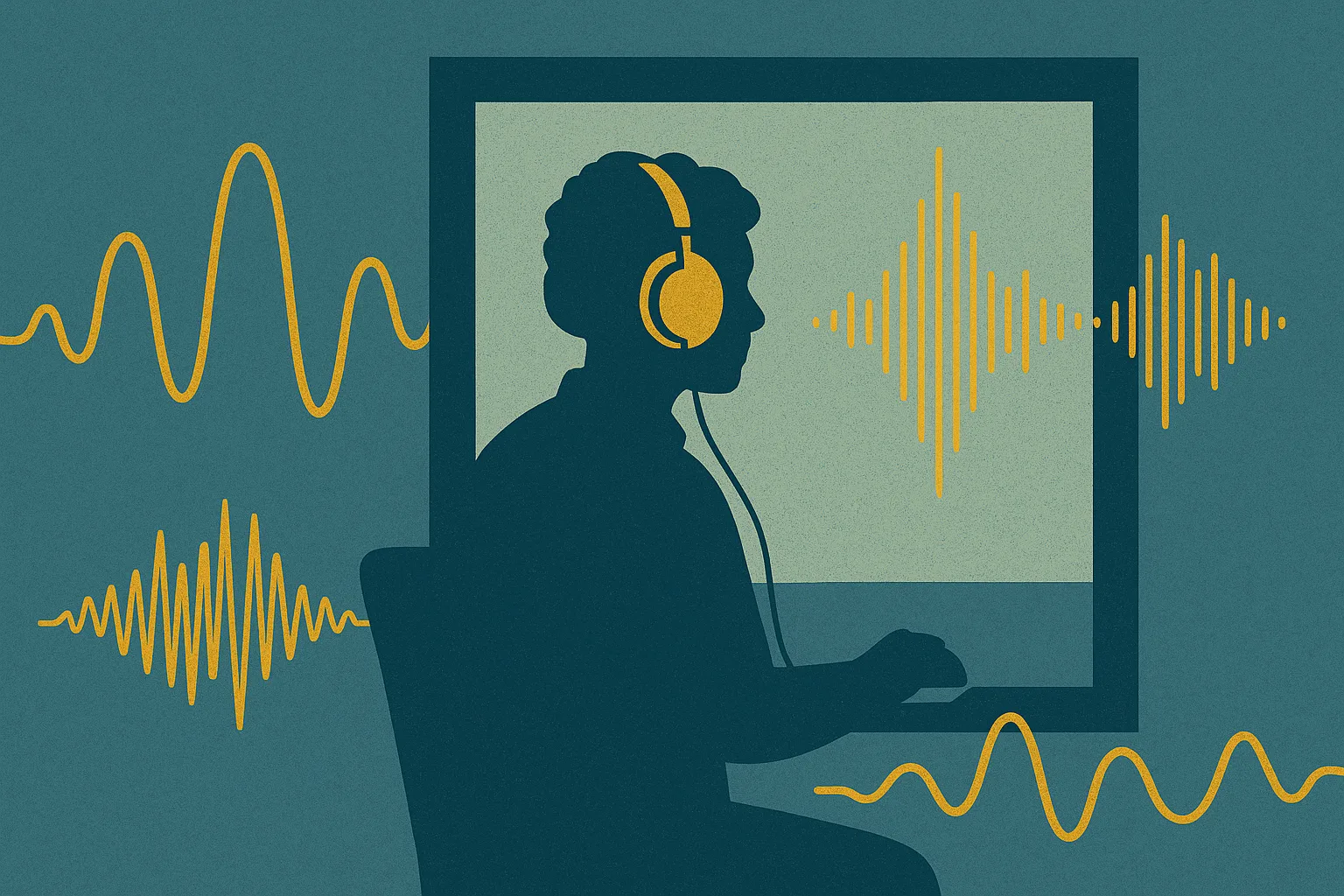
Audiograms measure hearing acuity and are essential for OSHA hearing conservation programs.
An Audiogram is a diagnostic hearing test that measures an individual's hearing sensitivity across different frequencies. In occupational settings, audiograms are a critical component of OSHA's Hearing Conservation Program (29 CFR 1910.95), which requires annual testing for workers exposed to noise levels at or above 85 decibels.
Who Needs This Service?
- Manufacturing workers
- Construction workers
- Airport ground crew
- Mining employees
- Any worker exposed to 85+ dB noise levels
What's Included
A typical Audiogram appointment includes:
- Pure-tone audiometric testing
- OSHA-compliant testing protocols
- Baseline and annual monitoring
- Standard Threshold Shift detection
- Mobile audiometric testing available
Turnaround time: Same day results
Typical cost: $35–$75
How It Works
- Quiet Period — Employee avoids loud noise for 14 hours before testing (or uses hearing protection).
- Audiometric Testing — Employee listens for tones at various frequencies and indicates when heard.
- Results Analysis — Audiogram is reviewed for Standard Threshold Shifts compared to baseline.
Related Services
Ready to get started? Find a provider for Audiogram or learn more about this service.
How Audiogram works, step by step
- 1
Quiet Period
Employee avoids loud noise for 14 hours before testing (or uses hearing protection).
- 2
Audiometric Testing
Employee listens for tones at various frequencies and indicates when heard.
- 3
Results Analysis
Audiogram is reviewed for Standard Threshold Shifts compared to baseline.
- 4
Follow-Up
Employees with significant changes are referred for further evaluation.
Regulatory snapshot
OSHA Hearing Conservation Program (29 CFR 1910.95); baseline within 6 months of first exposure, annual thereafter
Track state-by-state changes in Compliance WatchFrequently asked questions
Frequently asked questions
Keep learning & take action
Job roles that need this
Glossary terms

Content Developer
66 articles
Chris Davis is a content developer at BlueHive Health with a background in healthcare operations, medical billing, and small-business management. He writes plain-English guides on OSHA, DOT, and PHMSA compliance for HR and safety leaders.
Related Articles
Ready to streamline your occupational health program?
BlueHive connects you to 20,000+ clinics nationwide with real-time scheduling and results.
Community Discussion
Have questions about osha & workplace safety?
Get answers from occupational health providers and AI research in our community forum.
Ask the Hive